We Use CookiesWe use cookies to enhance the security, performance,
functionality and for analytical and promotional activities. By continuing to browse this site you
are agreeing to our privacy policy
10 Best Fitness Tracker For Kids No Phone Needed
From leading brands and best sellers available on the web.By clicking on a link to a third party's website, log data is shared with that third party.

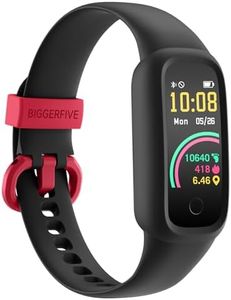
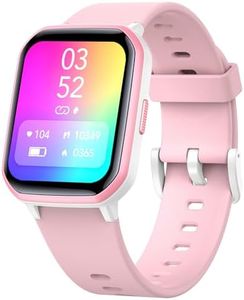
Related Products
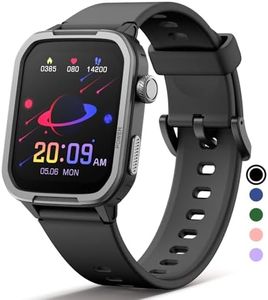
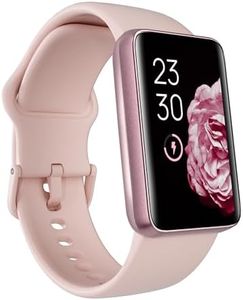
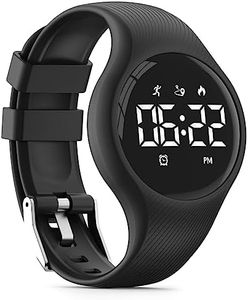
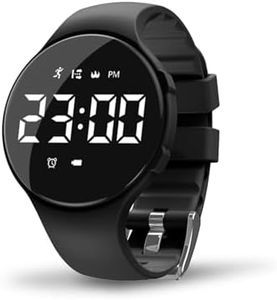
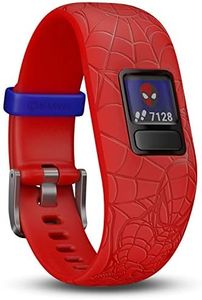
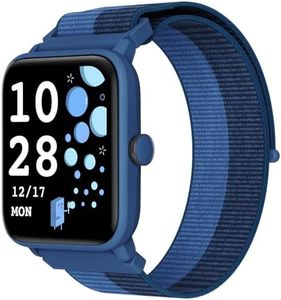
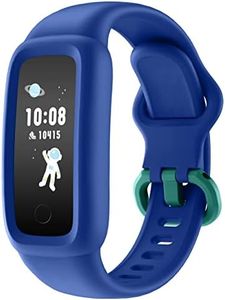
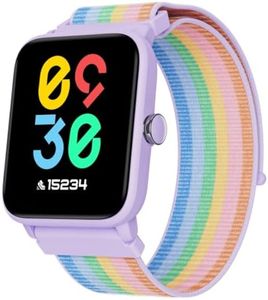
Recommended lists

Top rated
Kids Fitness Trackers
Buying Guide for the Best Fitness Tracker For Kids No Phone Needed
Choosing a fitness tracker for kids can be a great way to encourage healthy habits and keep them active. When selecting the right fitness tracker, it's important to consider the specific needs and preferences of your child. Look for a device that is easy to use, durable, and has features that will keep your child engaged and motivated. Here are some key specifications to consider when picking a fitness tracker for kids that doesn't require a phone.DurabilityDurability refers to how well the fitness tracker can withstand rough use, which is especially important for kids who may be more active and less careful with their devices. Look for trackers made with sturdy materials and water-resistant features. For younger children, a tracker with a high level of durability is essential to ensure it can handle drops, bumps, and exposure to water during playtime.
Battery LifeBattery life indicates how long the fitness tracker can operate before needing a recharge. This is important because a longer battery life means less frequent charging, which is more convenient for both kids and parents. Fitness trackers typically range from a few days to several weeks of battery life. For kids, a tracker with at least a week of battery life is ideal to avoid the hassle of constant recharging.
Ease of UseEase of use refers to how simple and intuitive the fitness tracker is for a child to operate. This includes the user interface, button layout, and overall design. A tracker with a straightforward interface and minimal buttons is best for younger children, while older kids might appreciate more features and customization options. Ensure the tracker is easy for your child to navigate and understand without needing constant help.
Activity Tracking FeaturesActivity tracking features include the types of activities the tracker can monitor, such as steps taken, distance traveled, and calories burned. Some trackers also offer additional features like sleep tracking and heart rate monitoring. Consider what activities your child is most interested in and choose a tracker that can accurately monitor those activities. For general use, a basic step counter and sleep tracker are usually sufficient.
Motivational FeaturesMotivational features are designed to keep kids engaged and excited about using their fitness tracker. These can include goal setting, rewards, and interactive games. Trackers with built-in challenges, virtual rewards, and friendly competitions can help motivate kids to stay active. Choose a tracker with features that align with your child's interests and will encourage them to use the device regularly.
Comfort and FitComfort and fit refer to how well the fitness tracker sits on your child's wrist and how comfortable it is to wear for extended periods. A tracker that is too bulky or tight can be uncomfortable and may discourage your child from wearing it. Look for adjustable bands and lightweight designs to ensure a good fit. It's important to choose a tracker that your child will be happy to wear all day.
Parental ControlsParental controls allow parents to monitor and manage their child's fitness tracker usage. This can include setting activity goals, viewing progress, and managing screen time. Trackers with robust parental controls can help parents stay involved and support their child's fitness journey. Choose a tracker that offers the level of control and oversight you are comfortable with.