We Use CookiesWe use cookies to enhance the security, performance,
functionality and for analytical and promotional activities. By continuing to browse this site you
are agreeing to our privacy policy
10 Best Kids Fitness Trackers
From leading brands and best sellers available on the web.By clicking on a link to a third party's website, log data is shared with that third party.
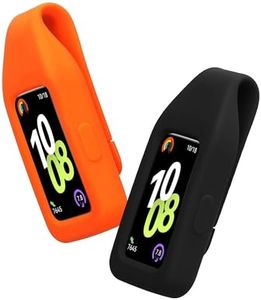

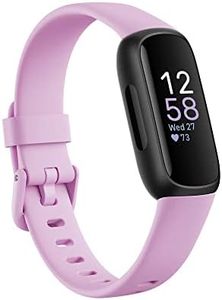
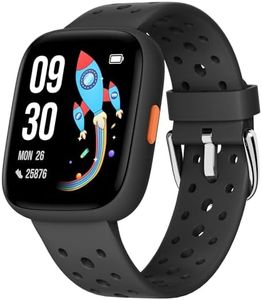
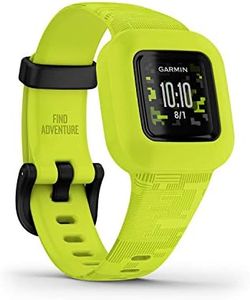
Related Products
Up to 3% off
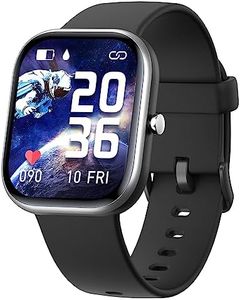
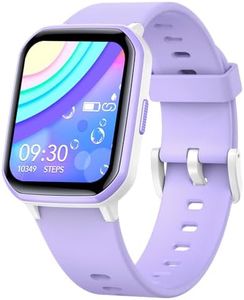
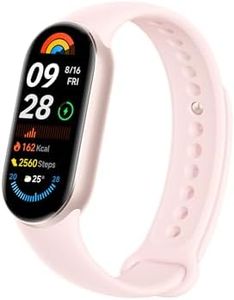
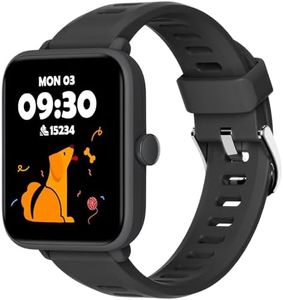

Buying Guide for the Best Kids Fitness Trackers
When choosing a fitness tracker for kids, it's important to consider the specific needs and lifestyle of the child. Kids' fitness trackers are designed to encourage physical activity, monitor health metrics, and sometimes even provide educational content. They should be durable, easy to use, and engaging for children. Understanding the key features and specifications will help you select a tracker that not only fits well but also motivates your child to stay active and healthy.DurabilityDurability is crucial for kids' fitness trackers because children are often active and may not be as careful with their devices as adults. A durable tracker can withstand drops, bumps, and exposure to water. Look for trackers with water resistance and robust materials. If your child is very active or enjoys outdoor activities, a more rugged design might be necessary to ensure the tracker lasts.
Ease of UseEase of use is important to ensure that the child can operate the fitness tracker independently. This includes a simple interface, easy-to-read display, and intuitive navigation. Trackers with touchscreens or single-button controls are often easier for kids to use. Consider your child's age and tech-savviness when choosing a tracker; younger children may benefit from more straightforward designs.
Activity Tracking FeaturesActivity tracking features are the core of any fitness tracker. These can include step counting, distance tracking, and active minutes. Some trackers also offer more advanced features like heart rate monitoring or sleep tracking. Consider what activities your child participates in and choose a tracker that can accurately monitor those activities. For example, if your child swims, a waterproof tracker with swim tracking would be beneficial.
Battery LifeBattery life determines how often the tracker needs to be charged. Longer battery life means less frequent charging, which is convenient for both the child and the parent. Trackers can range from a few days to several weeks of battery life. If your child is likely to forget to charge the device, opt for a tracker with a longer battery life to ensure it remains functional throughout the week.
Parental ControlsParental controls allow parents to monitor their child's activity and set goals or reminders. This feature can be important for ensuring the child uses the tracker safely and effectively. Some trackers offer apps that let parents view activity data and manage settings. If you want to be involved in your child's fitness journey, look for a tracker with comprehensive parental controls.
Design and ComfortDesign and comfort are important to ensure that the child will wear the tracker regularly. The design should be appealing to the child, and the tracker should be comfortable to wear for extended periods. Consider the size and weight of the tracker, as well as the material of the band. A tracker that is too bulky or uncomfortable may discourage your child from wearing it.
Educational and Motivational FeaturesEducational and motivational features can make fitness tracking more engaging for kids. Some trackers include games, challenges, or rewards systems to motivate children to stay active. Others may offer educational content about health and fitness. If your child enjoys interactive experiences, look for a tracker that includes these types of features to keep them interested and motivated.